Decarbonization Strategies for Sustainable Building Solutions
- sanam dabirian
- 2d
- 4 min read

The construction industry is one of the largest contributors to global carbon emissions, accounting for nearly 39% of total emissions. As the world grapples with climate change, the need for sustainable building solutions has never been more urgent. Decarbonization strategies are essential for reducing the carbon footprint of buildings and promoting a healthier environment. This blog post will explore effective decarbonization strategies that can be implemented in building projects, providing practical examples and insights for architects, builders, and homeowners alike.

Understanding Decarbonization in Construction
Decarbonization refers to the process of reducing carbon emissions associated with various activities, including construction. In the context of building solutions, this involves adopting practices and technologies that minimize the carbon footprint throughout a building's lifecycle—from design and construction to operation and eventual demolition.
The Importance of Decarbonization
Environmental Impact: Reducing carbon emissions helps mitigate climate change, leading to a healthier planet.
Regulatory Compliance: Many countries are implementing stricter regulations regarding carbon emissions, making decarbonization a necessity for compliance.
Economic Benefits: Sustainable buildings often lead to lower operational costs through energy efficiency and reduced waste.
Key Decarbonization Strategies
1. Sustainable Materials
Using sustainable materials is one of the most effective ways to reduce a building's carbon footprint. This includes:
Recycled Materials: Incorporating recycled steel, glass, and plastics can significantly lower emissions associated with material production.
Locally Sourced Materials: Reducing transportation emissions by sourcing materials locally can also contribute to sustainability.
Low-Carbon Alternatives: Utilizing materials like bamboo, rammed earth, or hempcrete can provide strong structural integrity with lower carbon emissions.
Example: The Bullitt Center in Seattle, often referred to as the greenest commercial building in the world, uses reclaimed wood and recycled steel, showcasing how sustainable materials can be effectively integrated into modern architecture.
2. Energy Efficiency
Improving energy efficiency is crucial for decarbonization. Strategies include:
High-Performance Insulation: Using advanced insulation materials can reduce heating and cooling demands.
Energy-Efficient Windows: Installing double or triple-glazed windows minimizes heat loss and improves energy performance.
Smart Building Technologies: Implementing smart systems for lighting, heating, and cooling can optimize energy use.
Example: The Edge in Amsterdam is a prime example of a smart building that utilizes energy-efficient technologies, resulting in a 70% reduction in energy consumption compared to traditional office buildings.
3. Renewable Energy Integration
Incorporating renewable energy sources into building designs can drastically reduce reliance on fossil fuels. This can be achieved through:
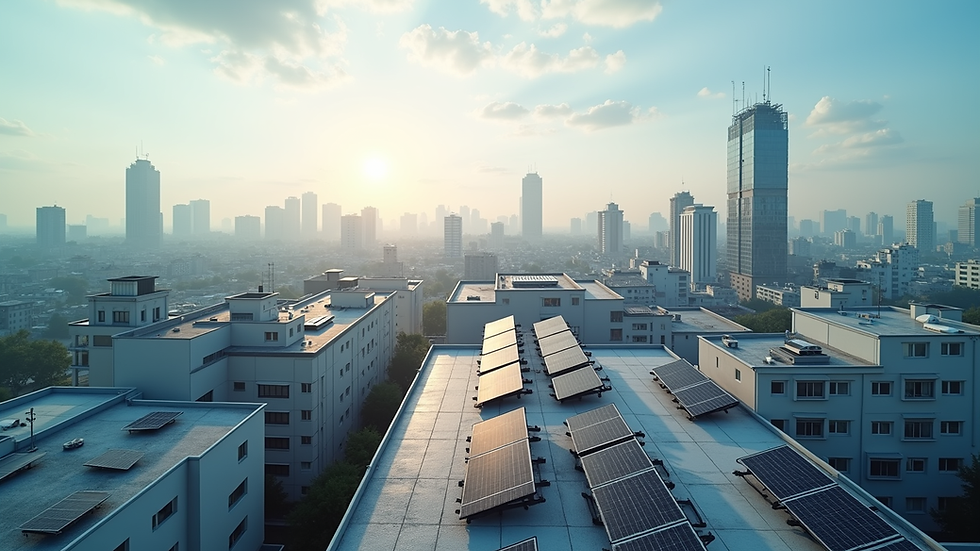
Solar Panels: Installing photovoltaic panels can generate clean energy on-site.
Wind Turbines: Small-scale wind turbines can supplement energy needs, especially in suitable locations.
Geothermal Systems: Utilizing geothermal energy for heating and cooling can provide a sustainable energy source.
Example: The Bosco Verticale (Vertical Forest) in Milan integrates solar panels and a green façade, demonstrating how renewable energy can be harmoniously blended into urban architecture.
4. Water Conservation
Water conservation strategies not only reduce water usage but also lower the energy required for water heating and treatment. Key practices include:
Rainwater Harvesting: Collecting rainwater for irrigation and non-potable uses can significantly reduce water demand.
Low-Flow Fixtures: Installing low-flow faucets, showerheads, and toilets can minimize water consumption.
Greywater Recycling: Reusing greywater from sinks and showers for irrigation can further conserve water resources.
Example: The California Academy of Sciences in San Francisco employs rainwater harvesting and greywater recycling systems, showcasing effective water conservation in a public building.
5. Sustainable Landscaping
Landscaping plays a vital role in enhancing a building's sustainability. Strategies include:
Native Plant Selection: Using native plants reduces the need for irrigation and maintenance.
Green Roofs: Installing green roofs can improve insulation, reduce heat island effects, and manage stormwater.
Permeable Paving: Utilizing permeable materials for driveways and walkways allows rainwater to infiltrate the ground, reducing runoff.
Example: The High Line in New York City is a prime example of sustainable landscaping, transforming an old railway into a green space that enhances biodiversity and improves urban air quality.
Challenges in Implementing Decarbonization Strategies
While the benefits of decarbonization are clear, several challenges can hinder implementation:
Initial Costs: Sustainable materials and technologies may have higher upfront costs, deterring some builders and homeowners.
Lack of Awareness: Many stakeholders may not be aware of the available sustainable options or their long-term benefits.
Regulatory Barriers: Existing building codes and regulations may not support innovative sustainable practices.
Overcoming Barriers to Decarbonization
To effectively implement decarbonization strategies, stakeholders can take several steps:
Education and Training: Providing training for builders, architects, and homeowners on sustainable practices can increase awareness and adoption.
Incentives and Subsidies: Governments can offer financial incentives for sustainable building practices, making them more accessible.
Collaboration: Encouraging collaboration among architects, builders, and environmental experts can lead to innovative solutions and shared knowledge.
The Future of Sustainable Building Solutions
As the urgency for climate action grows, the future of sustainable building solutions looks promising. Innovations in technology, materials, and design are continually evolving, making it easier to implement effective decarbonization strategies.
Emerging Trends
Carbon Capture Technologies: New technologies that capture and store carbon emissions during construction and operation are being developed.
Modular Construction: Prefabricated and modular construction methods can reduce waste and improve efficiency.
Circular Economy Practices: Emphasizing reuse and recycling in building materials can minimize waste and promote sustainability.
Conclusion
Decarbonization strategies are essential for creating sustainable building solutions that address the pressing challenges of climate change. By adopting practices such as using sustainable materials, improving energy efficiency, integrating renewable energy, conserving water, and implementing sustainable landscaping, stakeholders can significantly reduce the carbon footprint of buildings.
As we move forward, it is crucial for architects, builders, and homeowners to embrace these strategies, not only for compliance with regulations but also for the health of our planet. The journey towards sustainable building solutions is not just a trend; it is a necessity for future generations.
By taking actionable steps today, we can build a more sustainable tomorrow.

Comments